
Your Complete Guide to Waistlines (and Why Basques are Back)
Table of Contents
Today’s brides face a sea of wedding dress options, but the gowns that shine are those make you feel the most confident and beautiful. Wherever you are in your dress-shopping journey, this guide exists to help you part the seas of the ever-expansive bridal world and take hold of the style of waist that speaks your language.
We’ll walk through the philosophy of waistline design before previewing a few of the most common to look for (including, of course, the basque waist).
For context, several main design factors play into how waistlines are developed, designed, popularized.
Waistlines visually balance the two halves of a dress, serving as the line of demarcation between bodice and skirt. They can provide high contrast (small waist vs. full hips) to accentuate the waist, or modified, smoother lines for a more elegant, forgiving effect. In this way, strategic waistline placement reduces the visual contrast in proportion and size, making hips look accented in proportion to the waist.
Designers consider weight distribution for physical comfort on the wedding day. Structured waistlines can add support, and soft waistlines reduce constriction. But the placement of the waist affects how the garment sits on your body and distributes the weight of its fabrics.
Waistlines influence hem volume and skirt structure by determining where the skirt volume begins and how dramatically it flares. That’s a fancy way of explaining how the overall silhouette from waist to hem are impacted by waist placement. Different heights and lines create different visual transitions from bodice to skirt!
Flowing fabrics soften structured waistlines and add movement, while stiff or structured fabrics enhance the definition of cinched, basque, or corset waistlines, creating a polished, tailored appearance. The type of fabric affects how a waistline performs and moves in person!
Why Waistlines Matter for you
Waistlines shape your wedding gown’s entire silhouette, determine movement and comfort, and directly influence how a dress visually makes your body shine. They visually balance the two halves of a dress. Waistlines can highlight different curves, create add the impression of height, or balance torso and leg proportions.
Overall, their style and placement will always be a discreet but major factor in determining which dress feels like the one!
How are waist designs chosen?
Designers use waistlines strategically to create visual balance, redistribute proportions, and emphasize or minimize specific body areas depending on the overall silhouette goals. High-contrast proportions accentuate the waist, (small waist vs. full hips, as a traditional example,) while modified, smoother lines can create a more smoothing, elegant effect. Hem volume, skirt architecture, weight distribution, comfort, and the overall visual narrative of the gown are also important!
The Basque Waistline
(and all its variants)
This waistline is making a huge resurgence such that you’ve probably been seeing it everywhere (in all of its various forms) without knowing exactly what to call it.


What Counts as a Basque Waist Dress
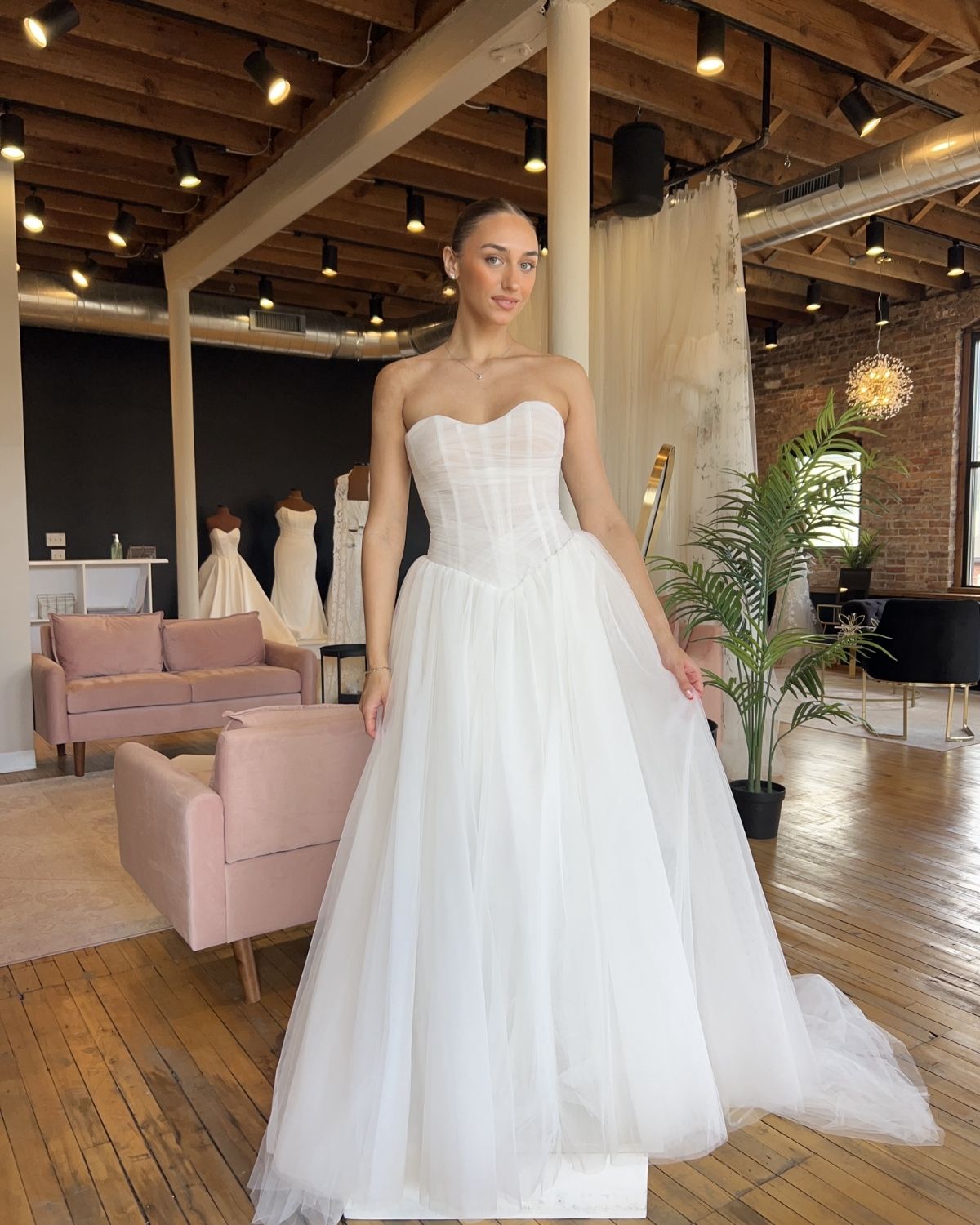
Basque waists are characterized by a fitted bodice that extends below the natural waistline, creating a “V” or “U” shape that dips towards the hips. On your hips, the waistline begins near the natural waist, but in the center (front or and/or back), it dips down to form a V-point. This carefully contoured seam is a hallmark of bridal design and continues to grow in popularity going into 2026.
The History of Basque Waists (in case you are ever curious!)
The basque waist traces its origins to the Basque region (hence the name, of course!) running between northern Spain and southwestern France. But during the 17th and 18th centuries, basque-inspired bodices became hallmarks of aristocratic fashion all across Europe. Women’s gowns featured tightly fitted bodices with structured corsetry, emphasizing a minimized waist and a long, elegant torso. The style often included panniers or voluminous skirts that flared dramatically at the hips, creating striking contrast to the fitted upper portion.
By the 1870s-1880s, the basque was attached to the bodice, causing it to extend over the hips. Dresses with this silhouette were adorned with luxurious fabrics, lace trims, and delicate embellishments. The style became synonymous with opulence and refinement, cementing its place in bridal fashion. Victorian gowns with basque waistlines sought to exaggerate the hourglass figure through structured corsets and billowing A-line skirts. This is probably the time period most people think of when they imagine historical basque-waisted dresses!
By the late 19th and early 20th centuries, the basque waist began appearing in wedding gowns, reflecting the era’s emphasis on romance and grandeur. Though its popularity waned during the mid-20th century as simpler, streamlined silhouettes came into their own era, the basque waist saw a resurgence in the late 20th and early 21st centuries.
The basque waist had a major moment in the 1980s and 1990s when the vibe was all about power, drama, and femininity. Designers like Vivienne Westwood used corseted bodices as symbols of empowerment. Jean Paul Gaultier and Thierry Mugler experimented with the style. The designer aesthetic influenced iconic moments, such as Madonna’s pink satin corset on her Blond Ambition tour in 1990, created by Jean Paul Gaultier. Christian Dior’s “New Look” collection also incorporated basque waists, along with designs by Pierre Balmain, Jacques Fath, and Valentina from the 1940s-1950s.
Contemporary designers have been reimagining the basque waist, incorporating modern fabrics and techniques while retaining romantic essence. The basque waist was one of 2025’s strongest bridal trends, which fits perfectly with trends like cottagecore and regency-inspired fiction increasing in popularity. Shows like “Bridgerton,” which sparked renewed interest in corseted bodices and vintage-inspired details, likely have done a lot of heavy lifting with this. Aesthetically, modern iterations come in every form from romantic lace with dreamy tulle skirts to sleek satin gowns with plunging basque waists (echoing the modern minimalism piece) to voluminous ballgowns with intricate beading (adding regal elegance). You’ll see a some of these variations later on in this guide!
Why Designers Like It
The basque waist’s structure, visual balance, and drama make it appealing from a designer’s point of view! It makes the bodice more prominent, lengthening the appearance of the torso while bringing attention to hip curves and assisting in the composition of the feminine hourglass figure. It also creates a smooth, definitive transition from bodice to skirt without feeling stiff.
Why Brides Love It
You’ll like it as you notice it elongate the torso, emphasize curve definition, and feel romantic or historical. They create hourglass silhouettes by emphasizing natural curves in your hips, with the silhouette feeling cinched but comfortable. Basques offer a mix of old-world charm and modern magic, making it a timeless staple that continually trends again and again.
Fit, Movement, and Body Balance
Basque waistlines flatter many body types but shine most when brides want waist definition and a balanced skirt transition. The style feels structured yet comfortable, often “holding you in” with boning and structure that many brides love while still allowing smooth movement.
As always, the key to assessing fit and mobility is trying the dress on, as proportions differ significantly among individuals, and every dress is different. You know: No two snowflakes are perfectly alike, the wand chooses the wizard, etc.!
The only real factor to pay attention to is height. Basque waists are said to be especially suited for tall women or those with longer legs, as the basque may bury a shorter woman line-wise.
Still, no tip or guide can pick your dress for you. The ultimate truth is that no style is on- or off-limits in your search for the perfect wedding dress, as the only way to know if a dress works for you or not is to try it on in person. (And we recommend you try on any dress or style that catches your eye!)
One of the reasons basque waistlines are trending so strongly is that they can complement different body types for different reasons. They can enhance natural curves for women with balanced frames, draw attention upward to bodice for pear-shaped builds (balancing proportions), elongate petite brides to makes them appear taller and more statuesque, and accentuate curves and dimension for athletic silhouettes (via the structured bodice and flared skirt).
Basques are ideal for brides wanting elegance and structure and particularly beautiful when paired with ball gowns, A-line dresses, and fit-and-flare styles (the three most common kinds of dress). They also pair well with dramatic slit-front skirts and architectural design elements.
Wedding Dress Basque Variations
Classic V
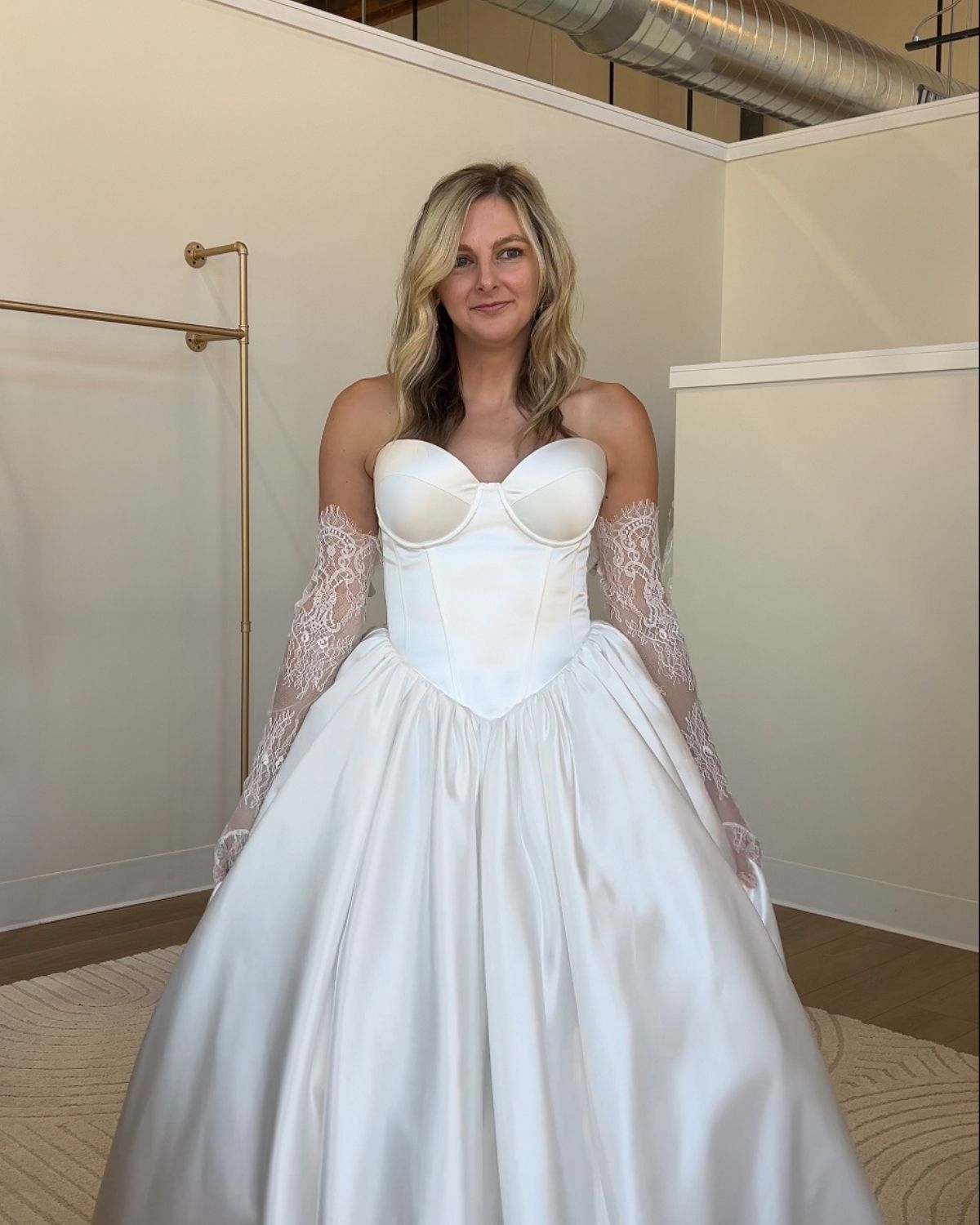
Features a deep V point that elongates the torso. Creates a sharp, defined centerline that gives height, length, and a slim-appearing silhouette. This is usually the most dramatic basque style.
Softer U
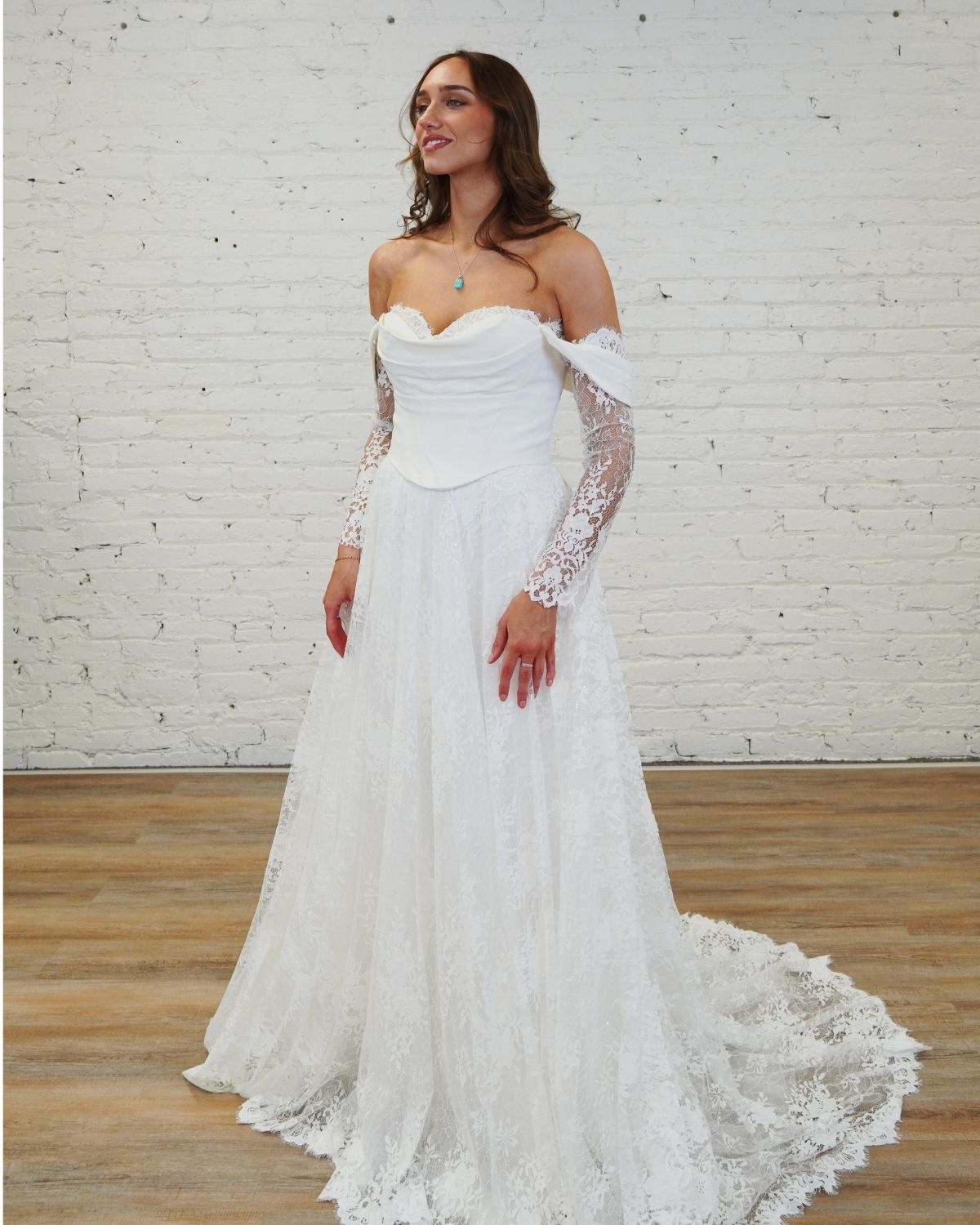
Subtle curvature for softer romantic shaping. These use a rounded U shape rather than a pointed V, creating a more gentle, delicate look while still providing structure and elongation.
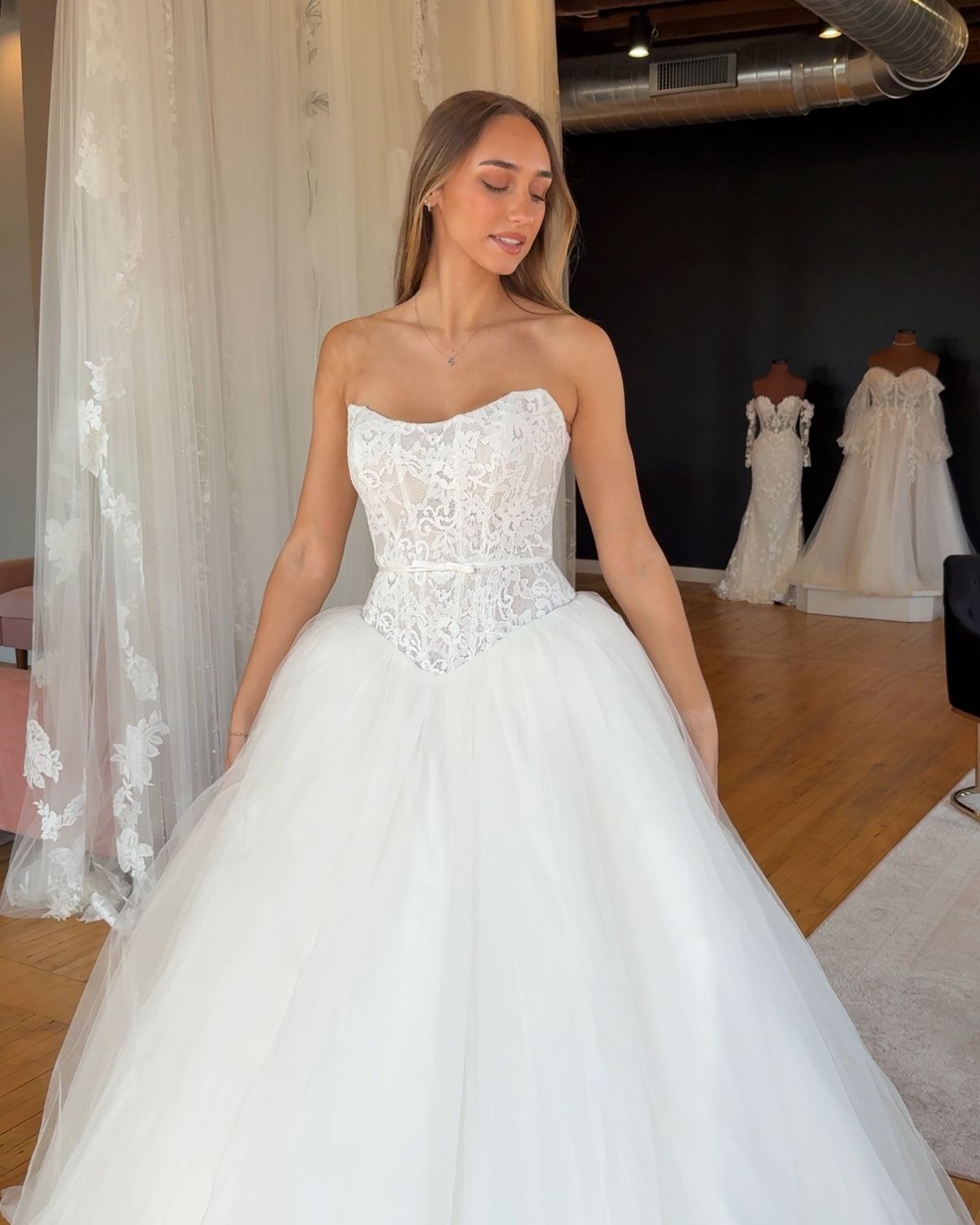
Drop Basque
More dramatic, ideal for ball gowns or high glamour silhouettes. Sits lower than the classic basque, creating an even more elongated effect on the torso.
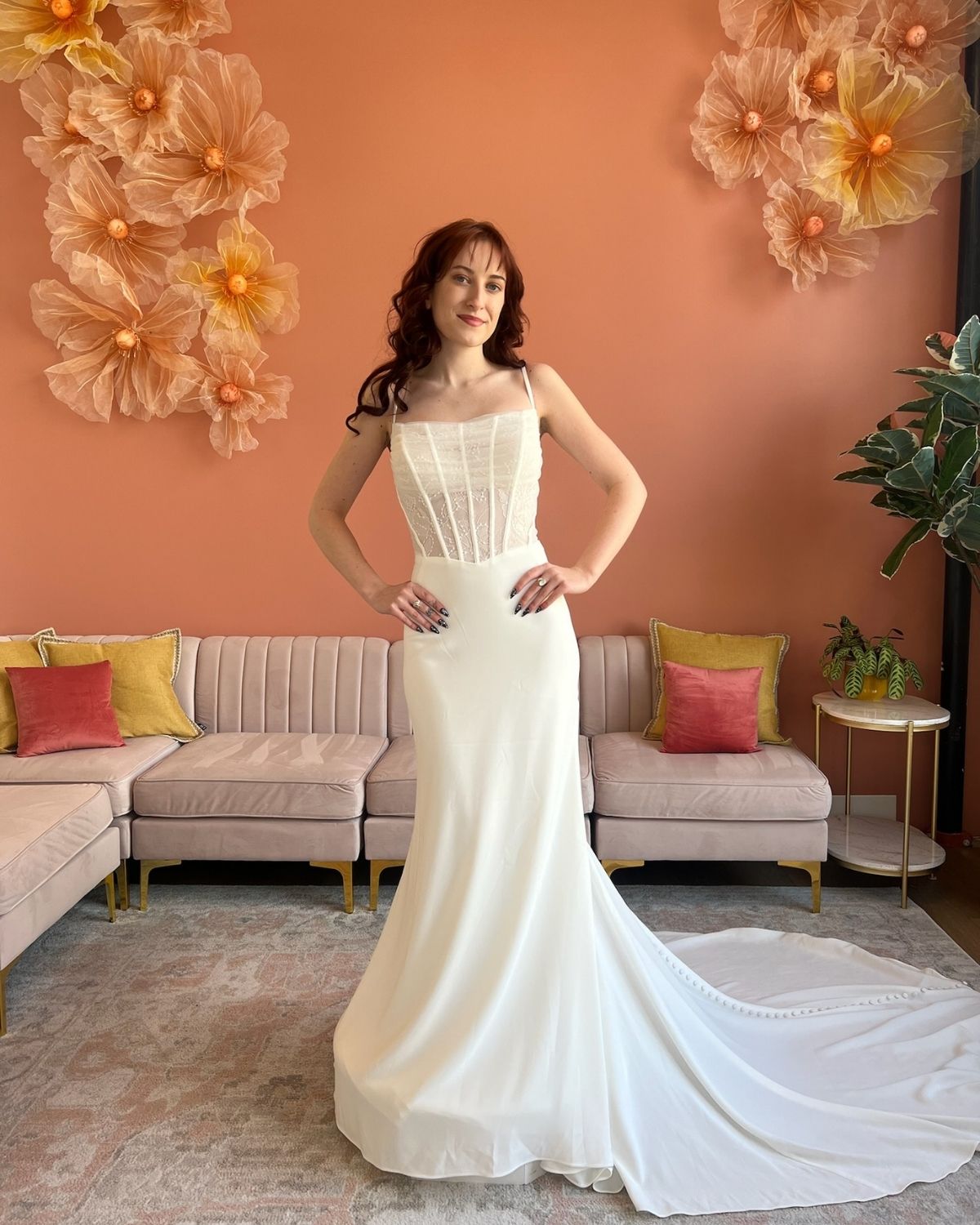
Hybrid Basque
Combines basque shaping with corsetry, pleating, or modern minimalist bodices. Modernized basque waists that don’t give a sharp V but still amplify the hips.
Natural Waistline
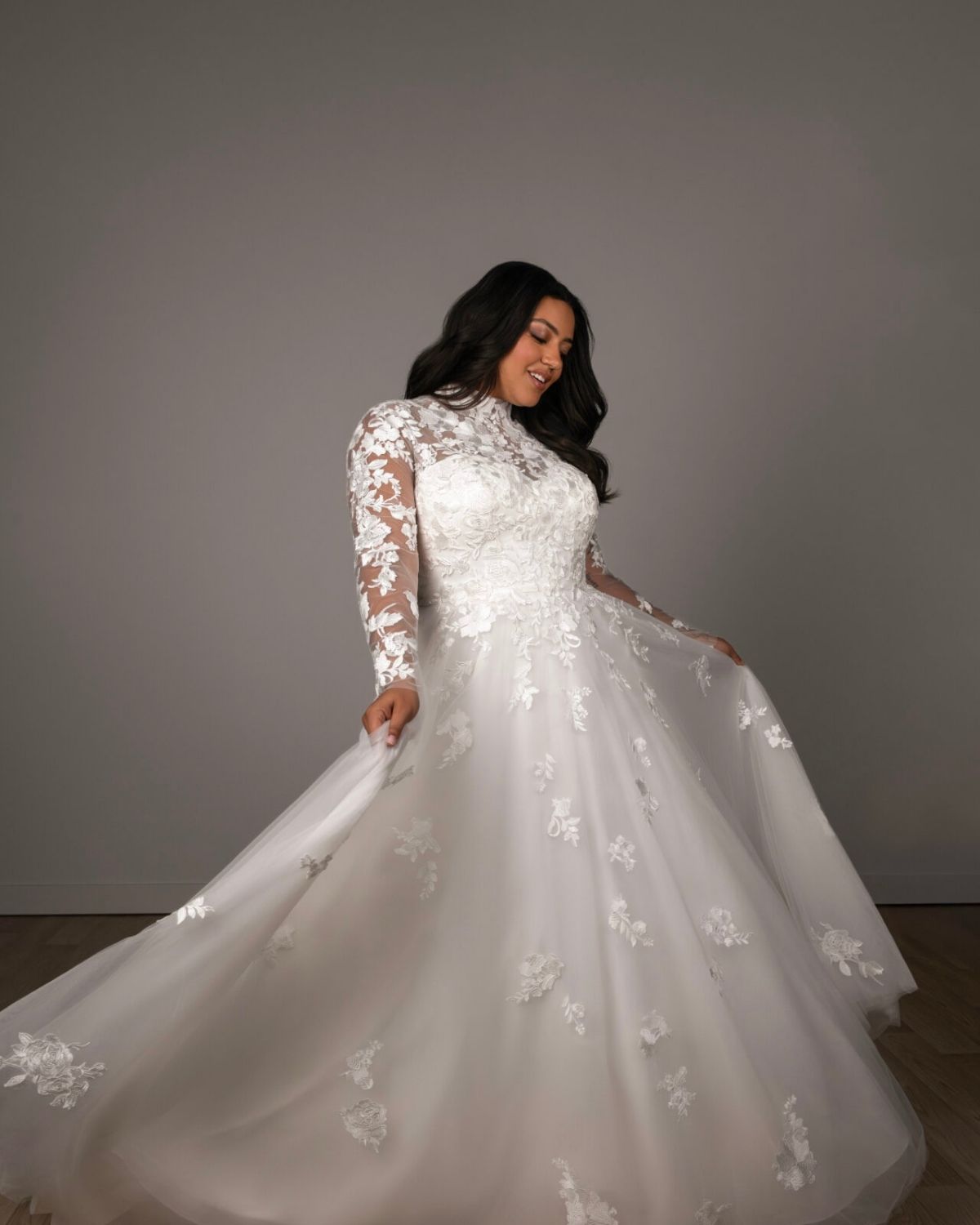
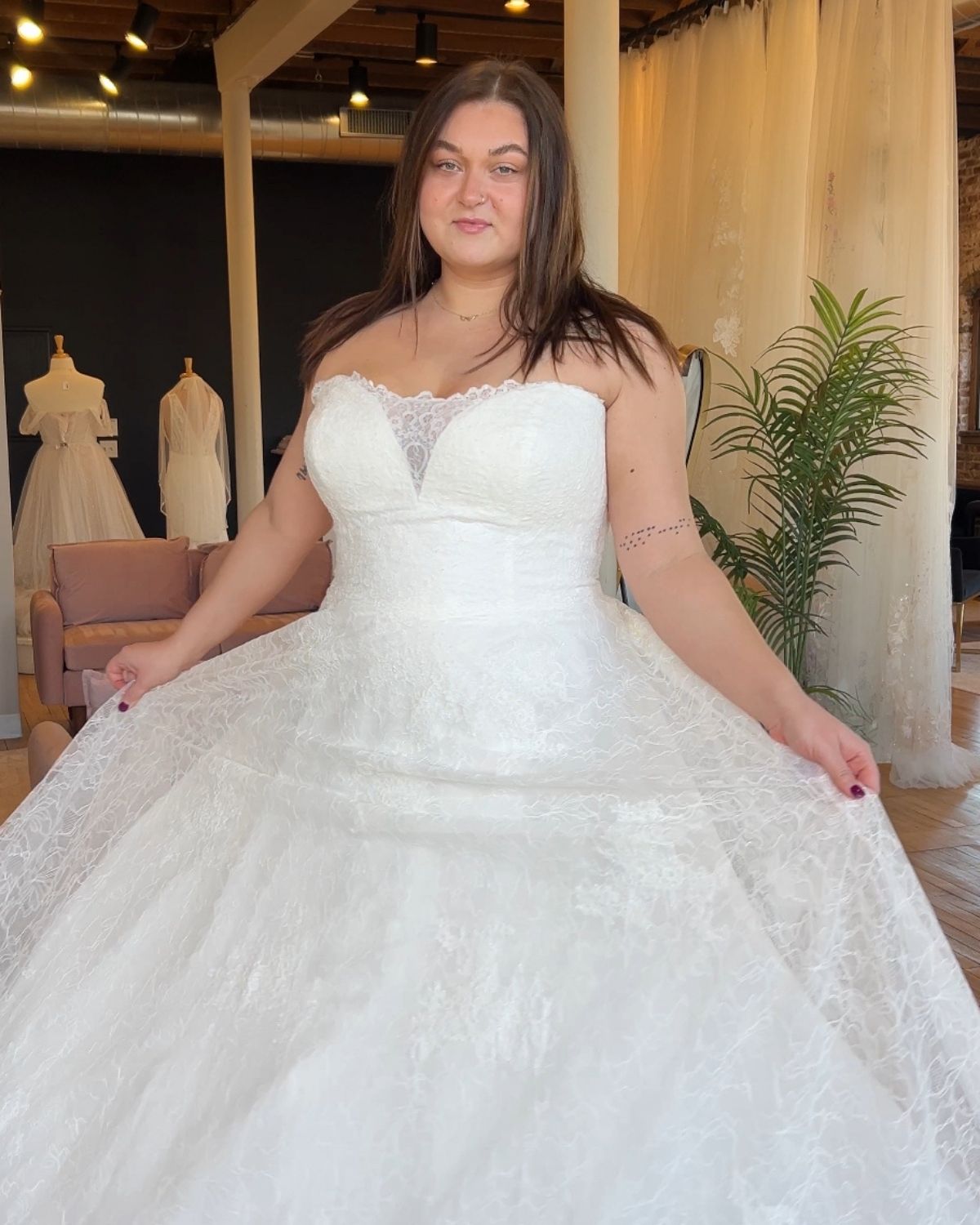

Sits at the bride’s narrowest point, just above the hips. Follows the natural shape of the body and highlights the narrowest part of the torso, creating curves and drawing the eye inward. In off-the-rack dresses, it typically sits within an inch or so of the belly button on either side.
Why designers like it
Movement and Fit
Stylistic Strengths
Empire Waistline


Why designers like it
Movement and Fit
Stylistic Strengths
The Drop Waist


Why designers like it
Movement and Fit
Stylistic Strengths
Our 3 favorite Wedding Dress Waist Accents

Ruching (or Gathering)
Ruched or gathered waistlines use softly draped fabric pulled into the waist to create gentle ripples and folds across the bodice. This technique adds texture and depth without feeling stiff, and it works with almost every bridal fabric—from satin and Mikado to chiffon, tulle, and organza.
Designers love ruching because it is incredibly forgiving: those angled or softly gathered lines can visually sculpt the waist, smooth the midsection, and highlight curves in a way that still feels comfortable.
For many brides, it feels like built-in shapewear without the squeeze, making it a timeless go-to for hourglass, curvy, and in-between body types alike. You’ll see ruching on everything from romantic ball gowns to fitted mermaid silhouettes, and even along necklines or straps to tie the whole look together.

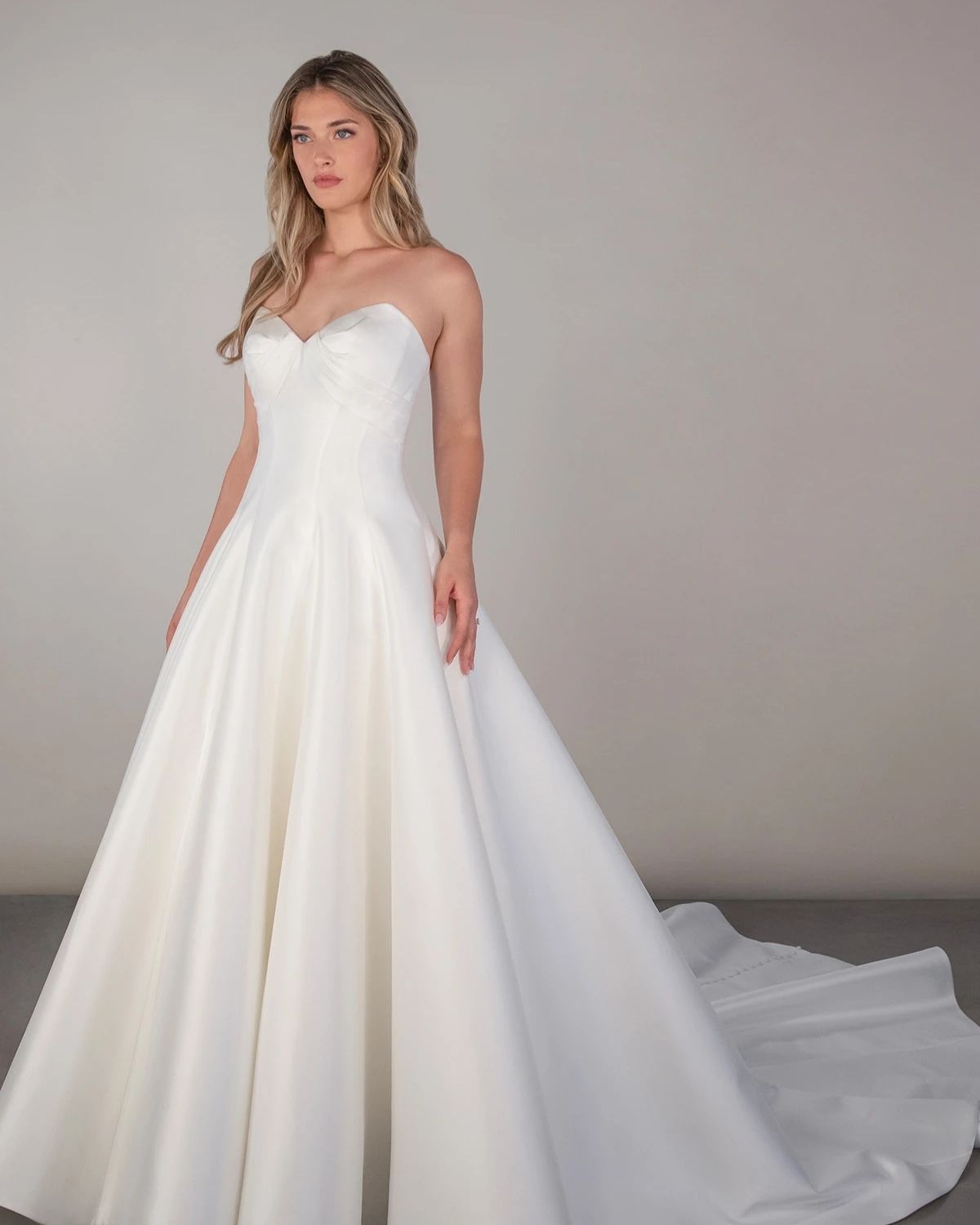
Box Pleats
Box pleats are all about crisp structure right where the skirt meets the waist, giving the gown a tailored, almost architectural feel. Instead of adding fluffy volume, they build shape in a very controlled way, so the skirt looks full and intentional rather than puffy.
Brides who love clean lines and a slightly “couture” edge are often drawn to box pleats because they add dimension without bulk and photograph beautifully from every angle.
They’re especially stunning on modern ball gowns and structured silhouettes where you want the waist to feel defined and the skirt to feel elevated, not overly sweet.
Straight Seam
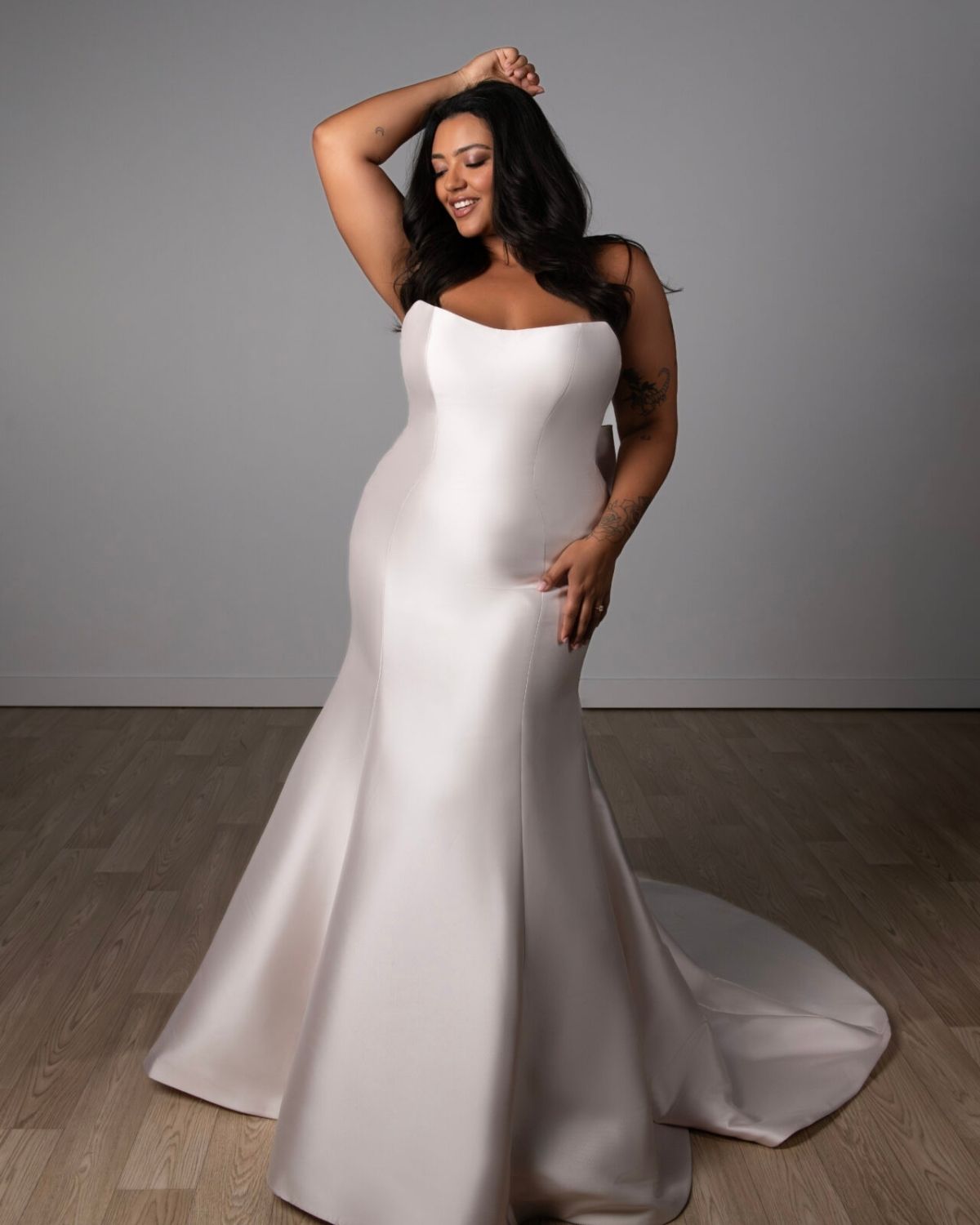
Straight seam waistlines are the quiet luxury of bridal design: a simple, clean join between bodice and skirt that puts all the focus on cut, fabric, and fit. You’ll see this detail most often on sleek crepe gowns, column dresses, and fitted silhouettes where the goal is modern, effortless sophistication.
Because there’s no extra volume or embellishment at the waist, the lines stay smooth and fluid, letting fabrics like silk charmeuse, satin, or crepe skim the body in the most flattering way. For brides who love minimalism and want their dress to feel “editorial” yet timeless, a straight seam waistline delivers that chic, understated drama with every step.
Peplum
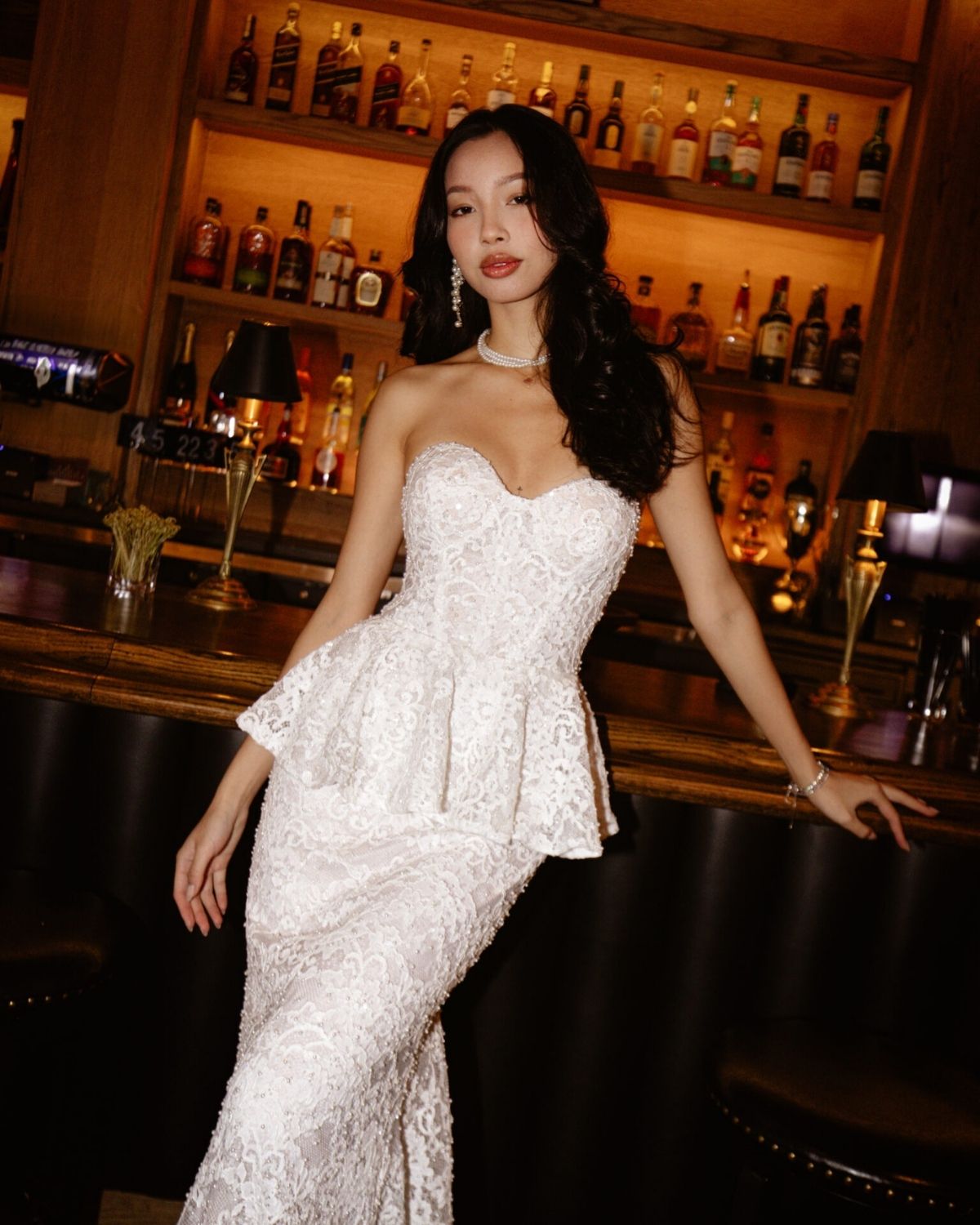
Peplums are a playful, high-fashion way to highlight the waist without committing to a full structured corset vibe. A peplum is a short overskirt or flared panel that sits at the waist or just below it, adding a little “flip” of fabric that creates instant curve and dimension. In bridal, designers often use soft tulle, organza, or lace peplums over sleek skirts to give that couture touch, making them especially dreamy for modern brides who want waist definition with movement and personality
How to choose the best waistline for you
When it comes to waistlines, the most important voice in the room is yours. Instead of trying to match a trend, think about how you naturally like clothes to fit, how you move, and what silhouettes you feel most yourself in.
Start by noticing your proportions and preferences. If you have a shorter torso, you may feel more at home in an empire waist that lifts the eye line and lengthens the legs, while a longer torso can often carry a basque or drop waist beautifully. Think about movement too: do you love the feeling of gentle structure and support, or do you gravitate toward gowns that float and swish when you walk? Picture your wedding photos and how you want your dress to read—classic and timeless, modern and sleek, soft and romantic, or a little bit dramatic and editorial.
It can help to think of waistlines as both art and architecture. The seam placement shapes how the dress falls, but it also influences which accessories, shoes, and even veil feel “right” with the look. Once you understand what each waistline does visually, you can start choosing details that enhance your shape and tell a cohesive style story from head to hem.
And then there’s the part no online guide can replace: trying dresses on. Proportions look different on every body, which is why stepping into a few different waistlines in person is so powerful. The moment you see yourself in the mirror and feel both comfortable and lit up, that’s when you know the waistline is working for you.